Urban Shadows: A Chronicle of Ninja Acrobatics and Technical Hiccups
July 09, 2026
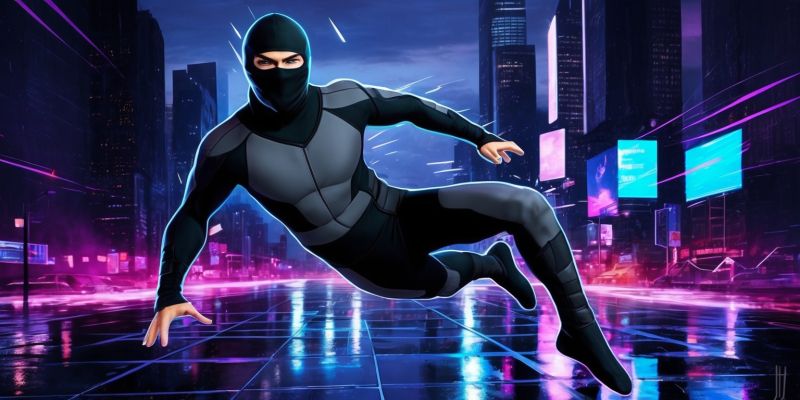
Stepping into the role of a renowned reptilian hero in a sprawling urban playground might sound like the ultimate VR fantasy. In this experience, you join your close-knit team of anthropomorphic fighters as you navigate a vibrant world filled with rooftop leaps and high-stakes encounters. The setting is a modern metropolis teeming with narrow alleys, neon-lit districts, and hidden corners that invite exploration. Although the concept radiates promise through its imaginative narrative and energetic portrayal of familiar characters in a virtual cityscape, the underlying execution leaves several aspects wanting. Elements such as character progression, quirky banter, and gravity-defying movement techniques provide occasional moments of delight amidst a host of mechanical and narrative misfires.
Characters and Narrative Dynamics
The game presents an ensemble of beloved characters gathered for one larger-than-life mission in a bustling metropolis. Fans will appreciate the faithful portrayal of heroic figures with well-established personalities, from the hot-headed warrior to the tech-savvy strategist. Familiar faces navigate a labyrinth of challenges that echo their storied pasts, yet the storyline struggles to break new ground or offer unexpected twists. The narrative weaves through a series of standard confrontations and predictable developments without delving deeply into the characters' backstories. As each turtle meets a new adversary or allies with figures like Karai and April, their exchanges brim with humor and irony that resonate with longtime followers. However, the predictable nature of the plot sometimes overshadows the vibrant personality each character brings to the fore.
Dialogue and Humorous Interludes
A standout component of the gameplay is the finely crafted dialogue, brimming with witty one-liners and rapid-fire banter that recall the essence of the franchise. The characters frequently engage in light-hearted quips that evoke the spirit of their comic book origins. This humor, however, is a double-edged sword; while initially engaging, its repeated use can dilute the overall impact, as the same punchlines recur at regular intervals. The effort to maintain the series’ characteristic edge in dialogue is commendable, providing moments of levity amidst tension. Yet, the repetition of jokes and humorous exchanges can begin to feel somewhat monotonous over extended play sessions. The interplay of humorous jabs and pop-culture references keeps the mood buoyant but also challenges the balance between clever writing and over-familiarity.
Rooftop Acrobatics and Parkour Elements
Perhaps one of the game's most captivating traits is the parkour-inspired movement through the urban landscape. Navigating the city involves exhilarating leaps from one structure to another and using environmental traps to bypass or outmaneuver opponents. The mix of skill-based jumps, dynamic dashes, and agile climbs truly captures the spirit of the heroic exploits at the heart of the tournament. Each move feels calculated, enhancing the sensation of freedom as players scale skyscrapers and traverse challenging rooftops. Although the game offers a limited open-world area in three distinct neighborhoods, these parkour components manage to inject a sense of fluid motion and daring escapade into the gameplay. The charm lies in how upgrades like double jumps elevate the thrill, even if the surrounding mechanics occasionally falter in execution.
Exploration in City Hubs and Recurring Missions

The game organizes its environment into several distinct hubs, each representing a slice of urban life—from bustling Chinatown districts to quiet docks and restless street fronts. These zones serve as backdrops for a cycle of recurring missions that prompt players to thwart minor crimes and liberate areas from persistent threats. The structure is reminiscent of open-world adventures where freedom is encouraged, yet the limited variety in side quests often undercuts this sense of exploration. Tasks can become repetitive, resulting in a gameplay loop that may quickly feel mundane. Despite these shortcomings, certain mini-games, such as time-based challenges or competitive tasks like target practice, add a sprinkle of diversity. Collectibles scattered throughout these districts also incentivize a more thorough, albeit less engaging, search for hidden rewards among otherwise drab urban panoramas.
Streamlined Yet Shallow Combat Encounters
The combat system in this virtual escapade is rooted in simplicity, focusing on a repetitive cycle of offensive moves, evasive maneuvers, and occasional power boosts. Engaging in battles often turns into a rhythmic exchange of slashing and dodging that, while initially satisfying, can quickly become overly mechanical. Occasional gadgetry or specialized techniques such as "Focus Mode" introduce a slight variation, but these enhancements are not enough to completely reform the combat experience. The lack of a deeper combat system means that even skillful maneuvers may sometimes fail to yield the intended impact on adversaries. This one-dimensional fighting style is balanced by the fact that rapid respawns allow continuity in gameplay, yet the overall impression remains one of untapped potential. The streamlined approach aims for accessibility but sometimes sacrifices strategic depth in the process.
Stealth Tactics and Environmental Adaptation
Complementary to the direct confrontation mode, the game permits players to adopt a stealthy approach to overcome challenges. This alternative route emphasizes clever positioning, quiet takedowns, and a reliance on the cover provided by the urban terrain. The mechanics allow for impressive demonstrations of agility, as players sometimes manage to flank enemies with a combination of parkour and silent actions. However, this system isn’t without its quirks. The game at times lets stealth tactics bypass enemy detection too readily, making it possible to navigate dangerous zones without significant resistance. The subtle balance between overt combat and covert operations can feel offhand at times, as enemy reactions do not always reflect the gravity of being caught off guard. Still, for those inclined to a more strategy-driven playstyle, these stealth moments offer a refreshing contrast to the more predictable combat sequences.
Character Progression and Customization
Advancement within the game occurs through an intuitive system focused on resource collection and incremental upgrades. As players progress, collecting in-game items—referred to in a rather tongue-in-cheek manner—becomes key to unlocking improvements and crafting valuable consumables. Each turtle has a distinct pathway for growth that aligns with their unique skill set. One character may experience enhanced durability while another specializes in technological enhancements and gadget use. This bifurcation emphasizes not only the individual traits of each hero but also encourages a tailored approach to mission strategy. Although the progression system rewards persistence, it also suffers from compartmentalization that prevents seamless transfers between characters. This design choice compels players to commit to one protagonist for the majority of gameplay, limiting the broader exploration of each ninja’s potential without compromising the inherent charm of personalized evolution.
Multiplayer Dynamics and Cooperative Synergy
A distinctive strength of the game lies in its built-in capacity to support multiplayer experiences, allowing up to four players to join in for a shared adventure. This cooperative mode transforms the milieu of the city into a vibrant playground where coordination and camaraderie can ease the frustrations of less polished mechanics. When friends gather to form a team of agile heroes, the game shines through its dynamic interactions, making even routine tasks feel engaging. The digital avatars mimic the players’ physical expressions, lending an extra layer of humor that reinforces the playful spirit of the franchise. Additionally, competitive mini-games and impromptu challenges serve as delightful distractions among the central story missions. Working together often compensates for occasional shortcomings in combat and quest design, highlighting the importance of social interaction as a core pillar of the overall experience.
Technical Stability and Design Glitches
The game’s technical framework, while ambitious, is marred by several stability issues that disrupt the overall immersion. Throughout a relatively short campaign, players may encounter unexpected glitches ranging from unresponsive interactions with mission-critical objects to erratic behavior in combat scenarios. These bugs can lead to situations where progress is abruptly lost, forcing a restart of key segments. Despite the engaging movement mechanics and humorous dialogue, these technical hitches frequently sap the enjoyment from an otherwise energetic urban escapade. Developers have implemented checkpoints, but many players have found that unsaved progress can result in recurring frustrations. The intermittent failures in environmental interactions underscore a broader need for refinement and thorough testing. Even so, creative workarounds and an optimistic outlook can help mitigate these issues, although not entirely erasing their impact on the pacing and consistency of the game experience.
Impression of Virtual Urban Discovery
Exploring the virtual city offers a mix of high-adrenaline thrills and surprisingly underwhelming urban landscapes. While the initial allure of a vibrant metropolis filled with vivid details and interactive structures creates a sense of promise, repeated excursions into barren districts can erode that excitement. The design of each region suggests a once-thriving district now caught in a state of ongoing conflict, yet many areas feel stripped down and minimally engaging. Despite inventive moments in parkour and interactive challenges, the repetitiveness of city patrols and scripted tasks gradually turns exploration into a series of familiar routines. However, the underlying aesthetics—a blend of modern visuals with a cartoonish flair—bring a unique charm to the experience. The contrasts between moments of fluid motion on rooftop escapes and the static nature of certain urban environments provide a curious juxtaposition that keeps players alert to hidden gems amidst routine encounters.
Interactive Challenges and Mini-Games
A series of mini-games pepper the gameplay, offering brief, action-packed interludes that deviate from the central mission routines. These challenges range from precision-based tasks—such as targeting moving objects or hitting designated marks—to time-sensitive puzzles that demand quick reflexes. Although these diversions may seem minor in scope, they effectively inject bursts of variety into the overall experience. Completing a mini-game might not lead to a grand reward, yet the satisfaction derived from honing a skill or simply competing in a friendly contest engages players in a different manner. The inclusion of collectibles and hidden items within these segments further encourages exploration and repeated attempts, blending arcade-style fun with the overarching narrative. Even if the core missions occasionally feel repetitive, these interactive diversions serve as enjoyable interludes that momentarily shift the focus towards playful execution and competitive spirit.







Leave a comment
Your comment is awaiting moderation. We save your draft here
0 Comments