Ocarina of Time on Switch 2: The New Voice Cast Reviving Hyrule
November 09, 2026
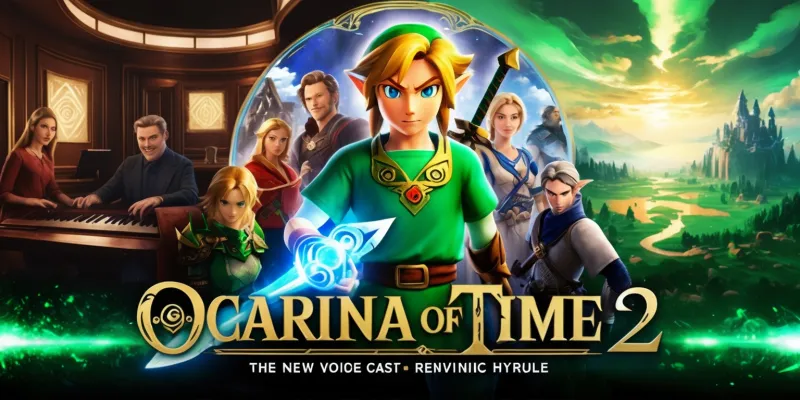
The comeback of The Legend of Zelda: Ocarina of Time on Nintendo Switch 2 brings a familiar world into a new era, and one one of the most prominent changes is the broader voice cast that now helps shape every major character. More than a technical refresh, this remake gives the adventure a richer layer of personality through performances in multiple languages, letting longtime fans hear Hyrule in a fresh way while still recognizing the mood and rhythm that made the original so memorable. From Zelda and Ganondorf to smaller but equally important figures such as Navi, the cast is presented with an emphasis on regional variety and continuity. The result is a version of the classic that feels both carefully preserved and thoughtfully reintroduced for modern hardware.
Hyrule Recast for a New Generation
The Switch 2 edition does more than sharpen visuals and update controls. It also gives each language version a distinct vocal identity, which matters in a story driven by atmosphere, character presence, and emotional timing. Ocarina of Time has always relied on expression, even in a series known for limited dialogue, and voice work now plays a larger role in establishing that connection. The remake’s cast spans English, Japanese, Latin American Spanish, Portuguese from Brazil, French, Italian, German, and European Spanish, making Hyrule feel more accessible across regions. Instead of treating voice acting as a secondary feature, the remake positions it as part of the game’s presentation, almost like a parallel layer of storytelling woven into the whole experience.
English Voices and Familiar Character Energy
The English-language cast is one of the central highlights of the remake, especially for players who experienced the original release through fan memory, guidebooks, or later replays. A new voice performance can subtly change how a character is interpreted, and that is especially true for iconic figures like Princess Zelda and Ganondorf. Their delivery now adds more texture to scenes that many players already know by heart. The supporting cast also benefits from clearer vocal distinction, giving each role a sharper sense of function within the adventure. Even when dialogue is brief, the tone and cadence can make a scene feel more grounded, more dramatic, or more playful depending on the moment.
Japanese Cast and the Return of a Surprise Favorite
The Japanese voice list carries special significance because one performer from the original N64 game returns in the remake: Kaori Mizuhashi as Navi. That reunion did not happen through a deliberate search for nostalgia alone. Nintendo reportedly held blind auditions in an effort to capture the exact feel of the classic, and Mizuhashi stood out again without the team initially realizing she had already voiced the character decades earlier. That detail gives the remake a rare sense of continuity. Instead of simply recreating an old role, it reconnects the new version with its roots in a way that feels organic. For players who remember the original Japanese release, Navi’s voice becomes a bridge between eras rather than a replacement.
A Blind Audition That Changed the Tone
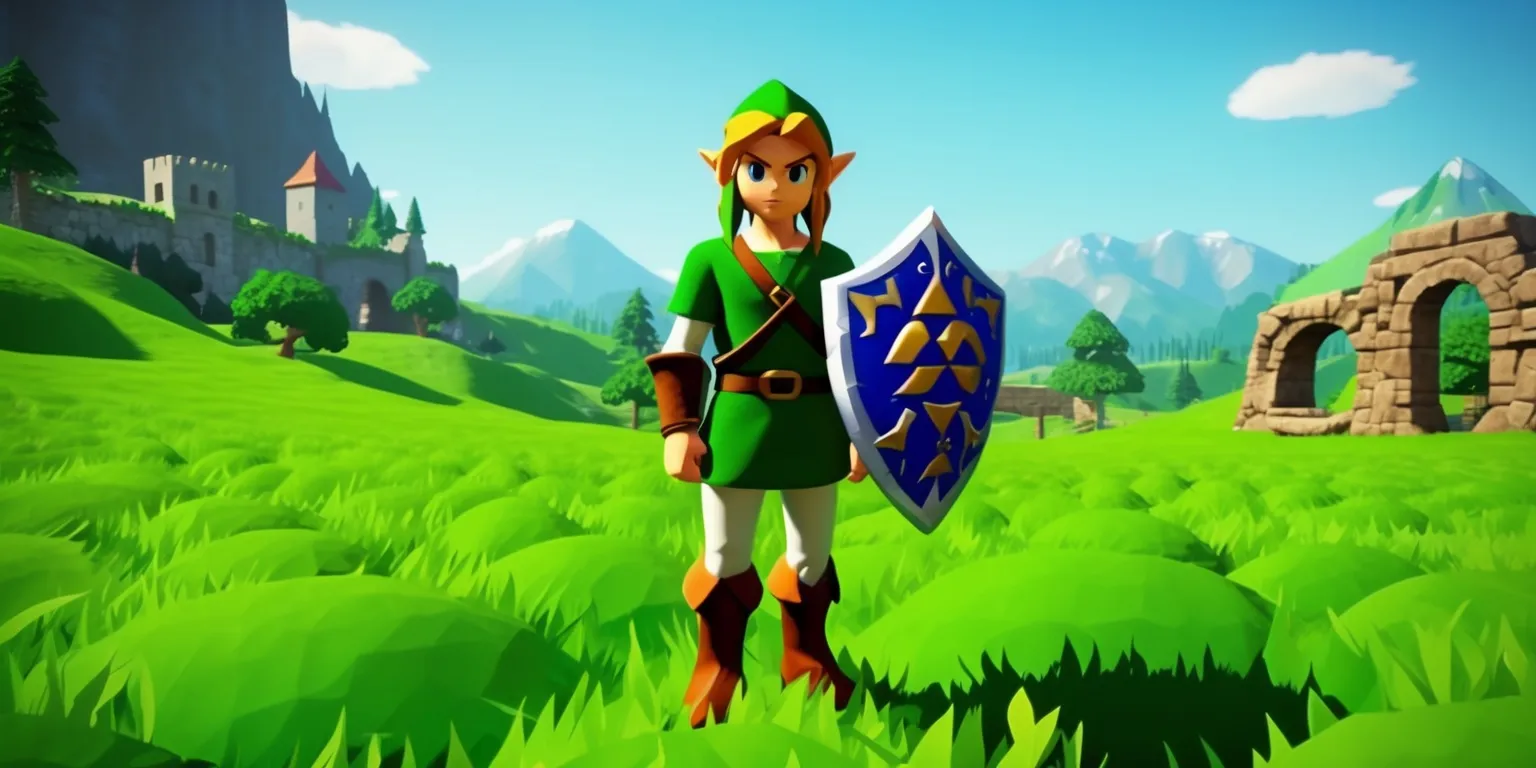
The audition process behind the remake’s voices says a lot about the design philosophy. Rather than selecting performers based only on name recognition, Nintendo aimed to find voices that matched the atmosphere of the original game. That approach matters because Ocarina of Time is not just about plot beats or boss encounters; it is about mood, timing, and the feeling of stepping into a world that seems larger than the player. Blind auditions naturally reduce the influence of expectation and guide the selection toward performance alone. In a project like this, that can preserve the emotional structure of the game while still allowing the cast to sound fresh. The result is a voice lineup chosen for fit, not for easy nostalgia.
Navi as a Link Between Eras
Navi is one of the smallest characters in terms of screen time, yet one of the most culturally recognizable in the entire series. Her voice carries constant presence, and in a remake that changes how dialogue is delivered, her return in particular feels meaningful. Kaori Mizuhashi’s reprisal makes Navi sound like a direct continuation of the older game rather than a reinterpretation from the ground up. That decision adds a layer of authenticity for fans who see the fairy as part of the original emotional memory of the adventure. Even in a new hardware generation, the familiar vocal timbre helps keep the sensation of classic Ocarina of Time intact, especially during exploration when guidance and reaction lines shape the player’s awareness of the world.
Regional Localization with Distinct Identity
Beyond English and Japanese, the remake includes voice actors for Latin American Spanish, Portuguese as spoken in Brazil, French, Italian, German, and European Spanish versions. This broad localization effort does more than widen the audience. It gives the game a chance to sound native in each market, which changes how players experience pacing, humor, and dramatic emphasis. A carefully localized voice performance can make a conversation feel immediate rather than translated, and that helps a fantasy world feel less distant. For a game with as much legacy as Ocarina of Time, regional voice work can be the difference between a simple rerelease and a version that feels built for international players from the start.
Character Presence Through Vocal Detail
Voice acting shapes how characters occupy space, especially in a game where many memorable moments depend on brief interactions instead of extended cutscenes. Zelda’s softness, Ganondorf’s commanding tone, and Navi’s quick interjections all contribute to a sense of identity that extends past visual design. The remake’s cast has to support not only story scenes but also the rhythm of exploration and the repeated cues that guide the player through puzzles and dungeons. A well-cast voice can make even a short line memorable. That is especially important in a title where players revisit familiar sections and notice subtle differences each time. The performances help define what kind of energy each area of the game carries.
Gameplay Flow and How Voices Shape It
Although Ocarina of Time remains fundamentally an action-adventure game built around exploration, combat, and puzzle solving, voice performances now affect how fast or slow the experience feels. Brief lines during encounters can sharpen momentum, while more expressive dialogue during story beats can slow the pace just enough to let important moments breathe. This matters in dungeons, in town sequences, and during the many transitions between child and adult Link’s journey. A voice that lands cleanly can guide the player without interrupting immersion, while an awkward delivery can make a scene feel disconnected. The remake appears to treat each language cast as part of flow control, using performance to support the game’s structure rather than simply decorate it.
Visual Atmosphere and Audio Working Together
The remake’s presentation benefits from the way voices interact with updated visual detail. Hyrule’s landscapes, temples, and towns are easier to appreciate when the soundscape matches the image quality. A voice line that once existed as a simple cue now sits within a more refined audiovisual setting, which changes how players absorb the world. The contrast between peaceful areas and dangerous confrontations becomes more pronounced when sound design and voice acting are aligned. Character voices do not replace the game’s visual identity; they complement it. That balance is crucial in a series known for a strong sense of place, where even a short exchange can alter how a location feels when the player returns to it later.
The Importance of Consistent Casting Across Languages
Consistency in casting matters because Ocarina of Time is a game that players often carry in memory for years. A familiar role handled well in one language can strengthen the overall impression of the remake, while uneven delivery could disrupt that legacy. The fact that the voice list spans so many regions suggests that Nintendo wanted a version that respects different audiences without fragmenting the game’s identity. Each localization has to preserve character relationships, emotional cues, and narrative clarity. That challenge is especially visible in a title with a beloved story and a fan base that notices even minor changes in tone. The remake’s cast arrangement is therefore as much as much about confidence as it is about results.
What the New Cast Adds to Replay Value
For players returning to Ocarina of Time, the new voice cast offers an immediate reason to revisit scenes that were once experienced mostly through text and memory. A familiar conversation can feel newly dramatic, comedic, or intimate depending on the delivery. That gives the remake more replay value even for those who already know every dungeon route and item location. The voices can highlight personalities that were previously implied, and in some moments they can alter the emotional weight of a well-known event. Whether someone focuses on English, Japanese, or another localization, the cast creates a fresh route into the same beloved adventure. The game remains recognizable, yet the performances invite slower attention to details that were easy to overlook before.
Names tied to the remake’s current voice lineup
- English voice actors for the Nintendo Switch 2 remake
- Japanese voice actors, including Kaori Mizuhashi as Navi
- Latin American Spanish performers for the localized version
- Brazilian Portuguese cast members for regional release
- voice talent for French, Italian, German, and European Spanish
The voice cast is only one part of the larger remake package, but it is a crucial one because it changes how players experience not only the conversation, but the overall mood of the adventure. In a game as iconic as Ocarina of Time, even subtle performance choices influence how characters are remembered and how scenes unfold during exploration, story progression, and repeated visits to familiar areas. The remake’s multilingual approach, combined with the unusual return of an original performer through blind audition selection, gives this version of Hyrule a rare blend of familiarity and renewal.








Leave a comment
Your comment is awaiting moderation. We save your draft here
0 Comments