Petting Gary the Gator: Leonida’s Strangest Little Secret
November 23, 2026
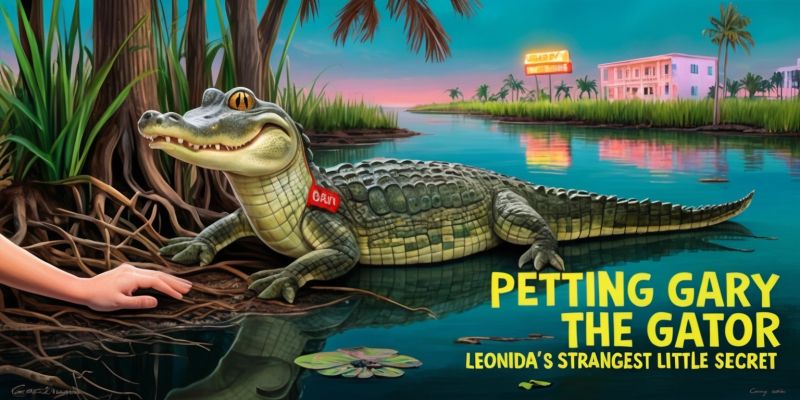
Exploring Leonida in GTA 6 is full of unexpected moments, and few are as memorable as the strange charm of encountering an alligator that seems less menacing and more like a local personality. The game does a strong job of turning wildlife into part of the world’s identity, and every road, yard, and swampy stretch invites curiosity. Among the many side interactions that leave a strong impression, among the very most talked-about is the ability to pet a specific alligator, a detail that mixes humor, risk, and the kind of playful worldbuilding Rockstar is known for. It is not just about finding an animal. It is about finding a tiny story hidden inside the environment.
A Strange Encounter That Feels Distinctly Leonida
A particularly intriguing aspect of this interaction is how naturally it fits into the setting. Leonida is designed to feel alive, and the wildlife roaming through it is more than decoration. The alligator encounter gives the player a chance to see how the game blends danger with absurdity in a way that feels uniquely local. Instead of treating the creature as a simple background model, the game turns it into a scene with personality. The moment feels casual, almost neighborly, but there is still tension underneath because, after all, this is an alligator. That blend of humor and unease makes the interaction stand out among the many small discoveries scattered around the map.
Finding the Right Corner of Key Lento
The alligator is not found randomly drifting through the marshes. To trigger the petting interaction, the player needs to seek out Gary the Gator near Jason’s home in Key Lento. That detail matters because the game ties the experience to one particular area instead of a broad wildlife zone. The sense of place becomes part in on the appeal. Players are urged to take a look around carefully, notice the surrounding homes, and take in the layout of the area. The location is close enough to feel accessible, yet tucked away enough to make the discovery feel personal. This keeps the moment from feeling scripted in a dull way and instead makes it feel like a hidden local oddity.
The House With the Yard Sale Sign
Once in the correct area, the search becomes specific and visual. The house you need is directly across from Shirley’s home, and the easiest marker is the Yard Sale sign outside. That small environmental clue helps ground the encounter in the ordinary texture of suburban life. The contrast is part of what makes it amusing: a regular neighborhood setup with a bizarrely memorable reptile lounging nearby. Instead of pulling the player into a heavily signposted mission space, the game uses subtle direction and environmental storytelling. The Yard Sale sign works as a practical marker, but it also reinforces the lived-in feel of the neighborhood, where everyday domestic details coexist with the game’s more eccentric moments.
Shelley and the Personality Behind the Scene

The interaction is not only about the animal. Shelley plays an important role in giving the moment character. When you arrive, she is sitting in an armchair against the fence, which gives the scene a relaxed, almost front-porch atmosphere. She is presented as someone comfortable with Gary’s presence, and that casual familiarity helps explain why the whole setup feels so unusual. Gary is not some wild creature roaming free without context. He is treated almost like a household companion, and Shelley’s placement in the scene makes that clear. The composition invites the player to slow down, observe the social setup, and understand that this is not a random hazard but a tiny story about humans and wildlife sharing a weird little arrangement.
Gary the Gator and His Cowboy Look
Gary’s design is what really seals the joke. The alligator wears a cowboy hat, which instantly gives him a comic identity and makes the encounter feel memorable beyond the mechanics. The hat transforms him from a simple wildlife model into a character with a reputation. That visual choice also ties neatly into the game’s broader tone, where exaggeration and regional flavor often work together. By giving the alligator a distinct accessory, the game turns a risky animal into a piece of local folklore. Players are likely to remember Gary not only because of the interaction itself, but because the image of a hat-wearing alligator lounging beside a fence is the sort of thing that lingers in your mind long after the moment ends.
The Button Prompt That Changes the Mood
Approaching Gary reveals the interaction prompt, and on PlayStation you can press Triangle while on Xbox it is Y to pet him. That single input is what makes the moment funny, because it asks the player to do something obviously unwise in a situation that still feels oddly safe. The prompt creates a sharp contrast between video game convenience and animal instinct. On paper, it is a simple action. In practice, it becomes a comic test of judgment. The game knows exactly what reaction it is provoking from the player, and the timing of the prompt helps build the joke. You are given permission to do the impractical thing, and that permission is part of the amusement.
Why the Moment Feels Risky and Playful
The petting animation is intentionally not reassuring. Once Jason reaches out, Gary almost snaps back, reminding the player that this is still an alligator, no matter how friendly the setup appears. That brief surge of danger keeps the interaction from becoming too cute. The game balances the comedy by letting the animal behave like a real animal would, even in an exaggerated situation. This keeps the scene grounded in the world’s logic instead of turning it into a pure joke. The player is free to laugh, but the game quietly reinforces the idea that nature remains unpredictable. That tension gives the encounter more flavor than a simple harmless petting moment would have on its own.
Talk, Tease, or Test Your Luck Again
After the petting prompt, the scene opens up in a manner that provides the player with some freedom. You can choose to talk to Gary, antagonize him, or even attempt to pet him again. That range of options adds to the sense that the encounter is built for expression rather than efficiency. The game allows you to decide what kind of energy Jason brings to the moment. Maybe you want to act cautiously. Maybe you want to be cheeky. Maybe you want to keep pushing your luck. The variety of responses makes the scene feel interactive in a social sense, not just mechanical. It is a brief illustration of how the game may make even a brief wildlife moment feel personalized.
How the Interaction Fits the Game’s Humor
GTA 6 thrives on letting the player find absurdity in everyday places, and Gary fits that pattern perfectly. The humor here depends on contrast: a suburban yard, a relaxed homeowner, a cowboy-hatted alligator, and a human decision to pet the reptile anyway. The joke works because the game refuses to make a big speech out of it. It simply places the situation in front of you and lets the oddness speak for itself. This kind of dry, environment-based comedy has long been part of the series’ identity, and this moment shows how effective it can be when combined with strong visual direction. The result is memorable without needing a big scripted scene or dramatic setup.
Wildlife as a Living Part of Exploration
Encounters like this help make exploration in Leonida feel rewarding. Rather than serving as scenery alone, the wildlife becomes part of the rhythm of travel and discovery. An alligator lounging beside a home tells the player something about the world before any dialogue even begins. It suggests a setting where the line dividing everyday home life and untamed nature is thin and often amusingly ignored. This strengthens immersion because the environment feels capable of surprise at any moment. Players are not just moving from mission to mission. They are wandering through a space where a random detour might lead to a strange local legend wearing a hat and waiting beside a fence.
Small Side Scenes With Big Replay Value
What makes this kind of encounter especially effective is how easy it is to revisit. Players who enjoy experimenting with characters and locations will likely return just to test different reactions. The scene is short, but it rewards curiosity, and that gives it replay value beyond the first laugh. It also fits naturally into longer play sessions because it does not demand a major commitment. You can stop by, notice the visual details, interact with Gary, and move on with your plans. That flexibility is ideal for a large open world. It keeps the pace varied and gives players a reason to stay engaged to places they might otherwise pass by without a second glance.
What the Scene Says About Jason’s Journey
Even though the interaction is lighthearted, it also reflects the kind of world Jason moves through as part of the story. Leonida is full of characters and corners that feel offbeat, and this kind of encounter suggests that Jason’s experience is shaped not just by missions, but by the local culture around him. The alligator scene adds texture to his time in Key Lento by making the area feel inhabited by people who have made peace with the strange. Shelley’s calm attitude and Gary’s bizarre presentation both contribute to that feeling. It is the sort of detail that makes the region seem built from lived-in moments rather than just objectives and map markers.
Why Players Keep Talking About Gary
Gary the Gator earns attention because he represents a perfect intersection of gameplay, atmosphere, and comedy. The encounter is easy to understand, visually distinctive, and slightly absurd in a way that suits the tone of the series. Players remember him because he is not just a creature you see once and forget. He is a tiny event with a personality attached to it, and those are the kinds of details that tend to resonate most in open-world games. The hat, the fence, the armchair, the Yard Sale sign, and the risky petting prompt all work together to create a scene that feels unusually complete for something so brief. It is the sort of moment that makes wandering through Leonida worthwhile on its own terms.





Leave a comment
Your comment is awaiting moderation. We save your draft here
0 Comments